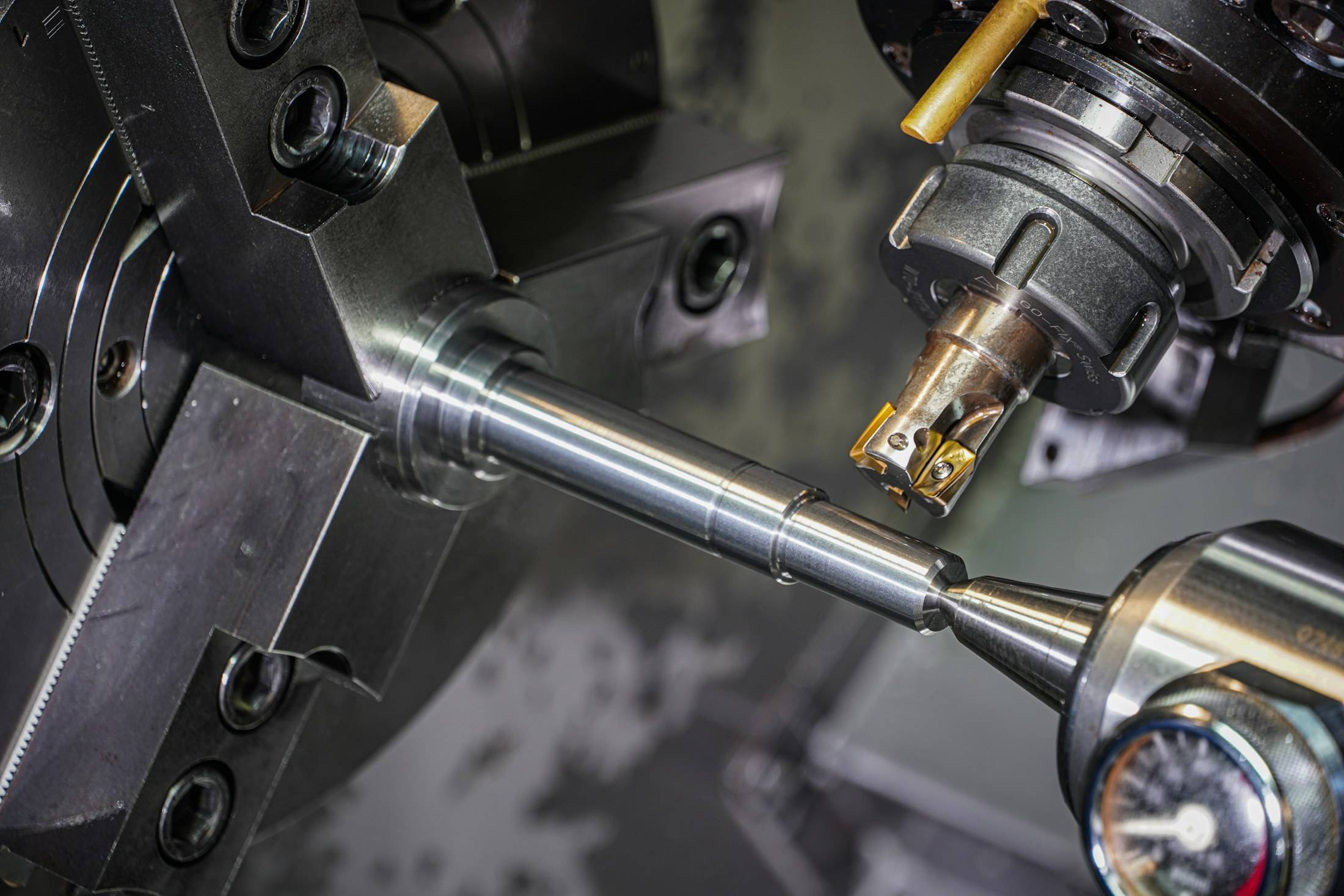
Vaughan’s manufacturing cluster
Vaughan Economic Development reported that the city’s advanced manufacturing cluster produced $4 billion of economic output in 2022 with 42,000 workers. The city’s 2023-27 action plan names advanced manufacturing, led by agri-food processing and auto parts, as an established key sector. For the private Canadian-controlled firms among them, the refundable credits are what matter most.
SR&ED on the shop floor
Vaughan manufacturers often tell us they “don’t do R&D.” Then they describe a fixture that took six iterations to hold a part to tolerance, or a stamping die that cracked until they changed the material and the geometry. That kind of work can qualify when the solution was not known at the start and the team tested its way to it. We help you find it, document it and cost it. Our manufacturing page lists more examples.
Agri-food processing
Vaughan’s food processors (bakeries, meat processors, specialty foods) run product and process trials that can qualify under our food and beverage practice: reformulating for clean labels, extending shelf life, or adapting a line for a new product. Materials consumed in trial runs can be claimed, but test batches that are sold need careful treatment.
Credits for a Vaughan CCPC
A Vaughan CCPC earns the federal 35% refundable credit and the Ontario 8% OITC, and may use the ORDTC against Ontario tax. On our Ontario page we show how they stack. Nearby, see Markham and Brampton.
How it works with your accountant
Most Vaughan manufacturers have a long-standing outside accountant. RDC prepares the T661, Schedule 31 and Ontario Schedule 566 with our reports and a costing workbook built from your payroll and supplier invoices. Your accountant files with the T2. We also give them a short note on which trial materials were consumed and which ended up in saleable product, since that changes what can be claimed.
More detail: RDC for accountants and the SR&ED claim process.